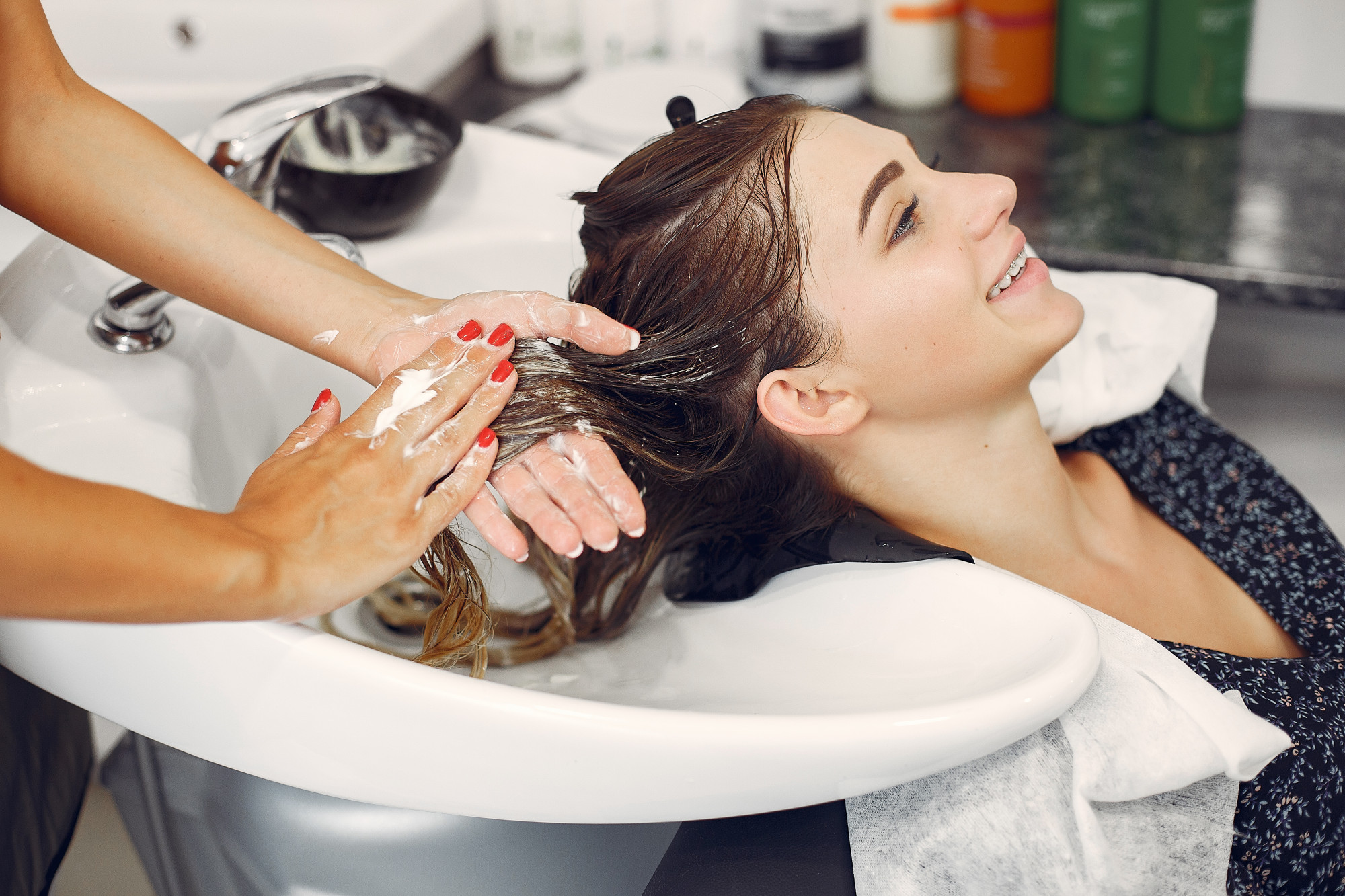
Summary: Monsoon humidity can leave hair feeling frizzy, rough, and hard to manage. A hydrating hair mask works as a rinse-off conditioning step that helps reduce friction, smooth the outer layer of each strand, and improve combability. This article covers why monsoon hair acts up, what ingredients to look for in a mask, and how to use one for softer, more manageable results.
|
In This Article: |
You know that feeling when you step outside during monsoon and within minutes your hair has its own agenda? The humidity hits, your strands puff up, and no amount of smoothing seems to bring them back in line.
If you have been wondering why your regular conditioner is not quite cutting it this season, a hydrating hair mask might be exactly what your routine is missing. Think of it as a deep conditioning hair treatment that goes further than your everyday conditioner.
Why Does Monsoon Weather Make Your Hair Frizzier?
Humidity is the short answer. When moisture levels in the air climb during monsoon, your hair absorbs that extra moisture unevenly, causing the outer layer of each strand to swell and lift. The result is frizz, tangles, and a rougher texture that makes styling feel like a losing battle.
External factors like humidity can affect hair friction, meaning strands rub against each other more and create that familiar "unmanageable" feeling. Add in rain exposure, sweat, and more frequent washing, and your hair's natural moisture balance takes a real hit.
The good news? Conditioning products are specifically designed to help counteract this. They work by decreasing friction and minimising frizz while improving combability, which is exactly what your monsoon routine needs most.
Did You Know? Hair friction does not just cause tangles. It can also make your hair look duller, because lifted outer layers of the strand scatter light instead of reflecting it smoothly.
How Does a Hydrating Hair Mask Help During the Monsoon?
A hydrating hair mask helps by depositing conditioning ingredients onto the hair surface that reduce friction, minimise frizz, and improve how easily strands move past each other. It works like a more concentrated version of your regular conditioner, giving your hair a deeper dose of smoothing support during a season when it needs it most.
Conditioning products in general are designed to decrease friction and improve combability, but a mask takes that a step further. Where a conditioner might sit on your hair for 30 seconds to a minute, a mask is formulated to be left on longer, allowing more of those smoothing, softening ingredients to deposit onto the hair surface.
What does that actually feel like? Smoother detangling, less puff, and hair that cooperates a bit more on humid days. It is not a permanent fix (conditioning is a temporary, surface-level support), but with consistent use, you will likely notice your hair feeling easier to work with each wash day.
What Ingredients Make a Good Hydrating Hair Mask?
A good hydrating hair mask combines ingredients that retain moisture, soften the hair surface, and create a smooth protective layer that keeps frizz at bay. The three main categories you want to look for are humectants, emollients, and film-forming ingredients.
| Ingredient Type | What It Does | Why It Matters in Monsoon |
|---|---|---|
| Humectants | Draw and retain moisture in the hair | Help strands maintain balanced hydration instead of absorbing excess humidity |
| Emollients (oils, butters) | Lubricate and soften the hair surface | Reduce roughness and make hair feel smoother to the touch |
| Film-forming ingredients (silicones) | Create a smooth protective layer on the strand | Enhance shine and physically reduce frizz |
When these three work together, your hair gets moisture support from the inside, softness along the surface, and a smoother outer layer that resists humidity-driven frizz. That is the trifecta you are looking for.
- If hydration is what your waves need most, try our Avocado Oil & Oat Peptide Waves Mask. Its formula combines nourishing avocado oil with oat peptides to help hydrate and define your waves without weighing them down, leaving hair feeling soft, bouncy, and full of natural movement.
- For strands that feel rough and frizzy the moment you step out, our Argan Oil & Lavender Hair Mask is built around organic Moroccan argan oil that smooths frizz and nourishes hair, paired with handpicked French lavender for a calming, soothing scent. You can see the kind of smoother, more manageable results a good mask can deliver, even on tough hair days.
- If your monsoon hair concern is more about damage from heat styling, colour treatments, or pollution exposure, our Olive Oil & Peptide Hair Mask is worth considering. Enriched with olive oil that strengthens, hydrates, and nourishes hair, plus a peptide complex that helps support repair, it is designed for strands that need more than just smoothing.
How Should You Use a Hair Mask in Your Monsoon Routine?
You should use a hair mask after shampooing (and conditioning, if your mask directs it), applying from mid-length to ends, and leaving it on for the time specified on the product. That is it. No overnight soaking, no complicated multi-step process needed.
Here is a simple routine flow:
- Cleanse your hair thoroughly with shampoo.
- Condition if your mask's directions include this step.
- Apply the mask from mid-length to ends, avoiding the scalp.
- Wait for the recommended time (typically 2 to 5 minutes).
- Rinse thoroughly with water.
A hair spa mask experience at home does not need to be complicated. A well-chosen rinse-off mask, used consistently, can give your hair that post-salon softness without a salon visit.
Your Monsoon Hair Game Plan
Monsoon hair does not have to be a three-month battle with frizz, tangles, and bad hair days. Understanding that humidity increases friction (and that friction is the root of most monsoon hair complaints) is the first step. The second is adding a hydrating hair mask to your wash-day routine: a concentrated conditioning step that smooths, softens, and makes your hair noticeably easier to manage.
If you are ready to find a deep conditioning hair treatment that fits your hair's monsoon needs, explore our full range of hair masks and pick the one that matches your concern and hair type.
Frequently Asked Questions
Q:1 Can you use a hydrating hair mask on oily hair during the monsoon?
A. Yes. Apply from mid-length to ends only, avoiding the scalp and roots, so you get the smoothing benefits without adding weight or oiliness where you do not want it.
Q:2 How often should you use a hair mask during the monsoon season?
A. Once a week is a good starting point for most hair types. You can adjust to once every two weeks if your hair feels sufficiently smooth between washes.
Q:3 Can a hair mask replace a regular conditioner entirely?
A. Not ideally. A conditioner is designed for daily or every-wash use, while a mask is a more concentrated step meant for weekly or periodic use. They complement each other.
Q:4 Should a hair mask be applied before or after conditioner?
A. It depends on the product directions. Some masks work best after shampooing and conditioning, while others replace the conditioner step. Always follow the instructions on your specific mask.
Q:5 Do hydrating hair masks work on curly or coily hair textures?
A. Absolutely. Curly and coily hair tends to experience more friction and dryness, so a smoothing, moisturising mask can help improve manageability, softness, and definition.