Summary: India's humidity can leave hair looking puffy and unruly, but the right routine makes a noticeable difference. This guide covers what frizzy hair actually means, which anti-humidity hair products deserve a spot in your regimen, and how to layer them properly. You will learn about sulphate-free shampoos, conditioners, masks, and serums, plus simple care habits that support smoother, softer results day after day.
|
In This Article: |
You step outside, and your hair immediately has its own agenda. In India's humid climate, frizz is not just an occasional annoyance; it can feel like the default setting for months at a stretch. If you have ever searched for anti-humidity hair products that genuinely help, you already know how overwhelming the options can be. Every brand seems to promise sleek, smooth strands, but working out what actually makes a difference (and what is just noise) takes a bit of clarity.
Understanding the meaning of frizzy hair is a solid starting point. From there, building a routine around the right wash, conditioning, and finishing steps can change how your hair feels and behaves, even on the most humid days.
What Is the Meaning of Frizzy Hair in Humid Weather?
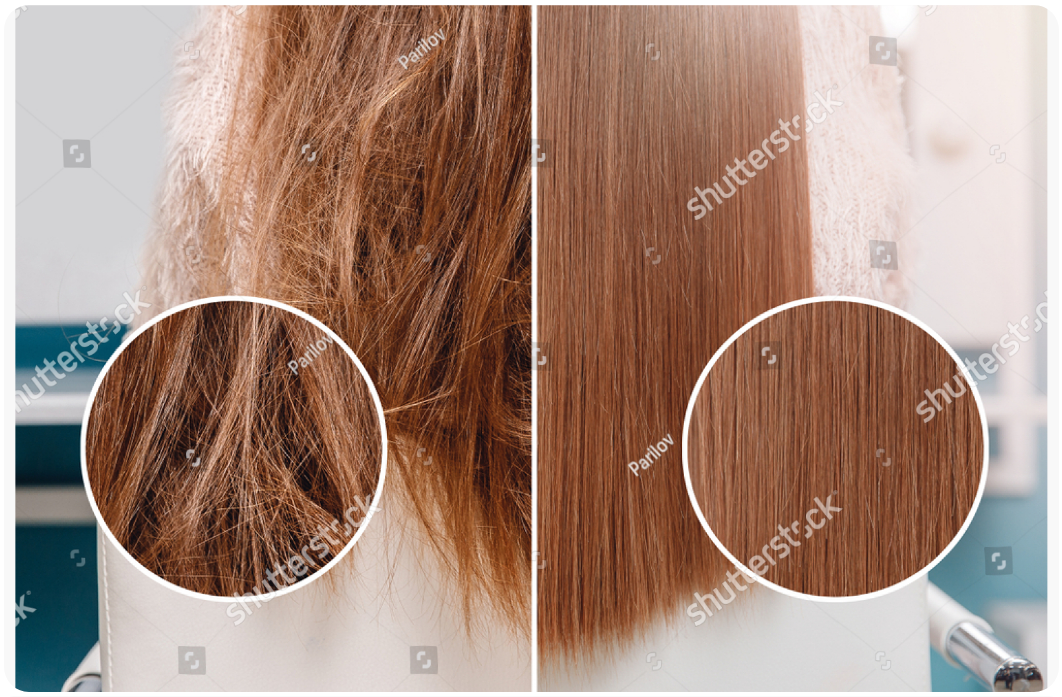
Frizzy hair is hair that looks less smooth, less defined, and harder to manage, often with a rough or puffy texture that does not sit the way you want it to. In humid conditions, this tendency gets amplified.
Here is the simple science: every strand of your hair has an outer layer that acts like a set of overlapping tiles. When that outer layer is smooth and intact, moisture stays balanced, and your hair looks sleeker. When it is roughed up or compromised, moisture from the air rushes in unevenly, causing strands to swell, lift, and puff out. Cleveland Clinic notes that damage to this outer layer can lead to drier, frizzier, or brittle hair, which is exactly why humid months feel so much harder on your strands.
Did You Know? Your hair can absorb moisture from the air even when it is dry to the touch. The more porous the outer layer of each strand, the more humidity gets in, which is what creates that characteristic puffiness on muggy days.
Should You Use a Sulphate-Free Shampoo for Frizzy Hair?
A sulphate-free shampoo can be a smart fit for a frizz-focused routine, especially if the product is specifically designed for frizz control. Sulphates are strong cleansing agents that can strip away natural oils, leaving hair feeling dry and more prone to frizzing up. Switching to a gentler formula helps keep some of that natural moisture intact during washing.
That said, going sulphate-free alone will not block humidity or permanently remove frizz. What matters is choosing a shampoo that is positioned for your specific concern. Strands that feel rough and flyaway after every wash often respond well to a gentler cleanse, and the Love Beauty & Planet Argan Oil & Lavender Shampoo is built around that idea. It is sulphate-free, positioned specifically for frizz, and formulated with organic Moroccan argan oil, an ingredient known for smoothing frizz and nourishing hair.
Tip: When lathering a sulphate-free shampoo, focus on your scalp rather than scrubbing the lengths. The runoff during rinsing is usually enough to cleanse mid-lengths and tips gently.
What Anti-Humidity Hair Products Belong in a Frizz Routine?
The most effective approach is not one single product; it is a layered routine where each step addresses frizz at a different stage. Think of it as building layers of smoothness that work together to help your hair handle humidity better.
Here is how the key product categories break down:
| Product Category | What It Does for Frizz | When to Use |
|---|---|---|
| Sulphate-free shampoo | Cleanses gently without stripping natural moisture | Every wash |
| Rinse-out conditioner | Detangles and smooths the outer layer of each strand | After every shampoo |
| Hair mask | Provides deeper frizz control for extra-rough days | Once or twice a week |
| Hair protection serum | Seals and finishes, smoothing from mid-lengths to tips | After washing, on damp hair |
You can supplement this routine with simple home remedies for dry and frizzy hair. Habits like washing your hair based on how often it actually gets dirty or oily (rather than on a fixed schedule), using lukewarm water instead of hot, and sleeping on a smoother pillowcase all support the work your products are doing. They are not a substitute for targeted frizz-control formulas, but they do make a real difference alongside them.
How Should You Layer Shampoo, Conditioner, Mask, and Hair Protection Serum?
The order you apply your products matters just as much as the products themselves. Each step builds on the last, and getting the sequence right means each formula can do its job properly.
| Step | What to Do | Key Detail |
|---|---|---|
| 1. Shampoo | Squeeze, lather on the scalp, and rinse | Keep it gentle; no aggressive scrubbing on lengths |
| 2. Conditioner | Apply a coin-sized amount to damp hair | Focus on lengths and tips, avoid the scalp, and rinse with lukewarm water |
| 3. Mask (weekly) | Apply after cleansing and conditioning | Leave on for 2 minutes, then rinse; not an overnight treatment |
| 4. Hair protection serum | Take 1 to 2 drops and rub between palms | Smooth from mid-lengths to tips on damp hair |
The final layer of your routine should always be a hair protection serum. Frizz-prone ends that puff up the moment you step outdoors benefit from a light serum that smooths and seals, and the Love Beauty & Planet Argan Oil & Lavender Hair Serum delivers 3x smoother hair with just a drop or two from mid-lengths to tips. You can see how quickly it tames frizz on damp hair when applied as that last step.
You can further make your hair look neat and sleek with the help of the Love Beauty & Planet No Alcohol Flyaway Stick. All you need is a few swipes over your unruly baby hairs and cowlicks all that is needed to tame your hair, no matter how high the humidity or how stubborn the frizz may be.
Tip: Less is more with serum. Start with one drop, warm it between your palms, and smooth it through your lengths before deciding if you need a second. Overloading can leave hair looking greasy rather than sleek.
Your Path to Smoother, Calmer Hair
Frizz in humid weather is one of those concerns that feels impossible until you find the right combination of products and habits. The key is consistency: a gentle shampoo that does not strip your hair, a conditioner that smooths and detangles, a mask when you need extra support, and a serum to seal it all in. Layer by layer, you are giving your hair what it needs to handle moisture in the air without puffing up.
The good news? You do not need a complicated, ten-step routine to see a difference. A few well-chosen products, used in the right order and paired with sensible care habits, can genuinely change how your hair feels and looks on even the muggiest days. If you are ready to put your routine together, explore the full range and find the combination that works for your hair.
Frequently Asked Questions
Q:1 Can frizzy hair become less frizzy over time with a consistent routine?
A. Yes, sticking with a frizz-focused routine over several weeks can help your hair look and feel progressively smoother, though results depend on your hair type and environment.
Q:2 Does air-drying or blow-drying cause more frizz in humid weather?
A. Air-drying in high humidity can sometimes allow more moisture absorption, leading to puffiness. If blow-drying, use a low heat setting and keep the nozzle pointing downward.
Q:3 How often should a hair mask for frizz be used during monsoon season?
A. Once or twice a week is a good starting point. Adjust based on how your hair responds; some textures benefit from an extra session during peak humidity.
Q:4 Is it better to apply serum to damp hair or dry hair for frizz control?
A. Damp hair absorbs serum more evenly and helps distribute the product smoothly. Applying to fully dry hair can sometimes create an uneven, heavy finish.
Q:5 Can hard water make frizz worse even when using the right products?
A. Hard water can leave mineral deposits on strands, making the outer layer rougher and more prone to frizz. A shower filter or a final rinse with filtered water can help.