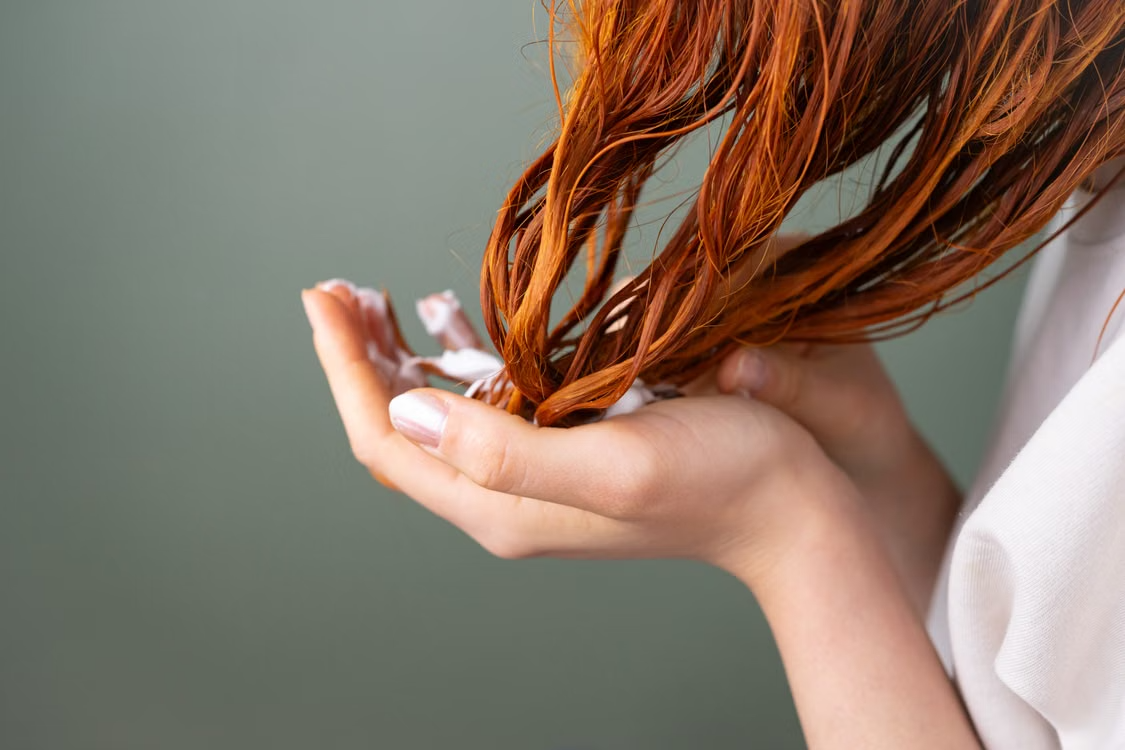
Summary: Monsoon humidity can leave hair puffy, frizzy, and hard to manage. This guide covers why that happens, what a good anti-frizz hair cream or cream-style leave-in should actually do for you, how a deep conditioning mask compares with a regular conditioner for frizz, and how to handle flyaways on the go. The key takeaway: layering the right products at the right steps makes monsoon hair noticeably easier to live with.
|
In This Article: Why Does Hair Get Frizzy During Monsoon Season? What Should an Anti-Frizz Hair Cream Do in Your Monsoon Routine? |
The moment it's monsoon, your hair seems to develop a personality of its own. That carefully styled look you left the house with? Gone within the hour. Before you reach for another anti-frizz hair cream, it's worth knowing what humidity is doing to your hair and what actually helps keep it smooth.
This guide walks you through all of it, from the science of frizz to building a routine that works when the air is thick with moisture.
Why Does Hair Get Frizzy During Monsoon Season?
Frizz during monsoon is largely a humidity problem. When the air is saturated with moisture, hair that is already dry or slightly damaged tends to absorb that excess water through its outer layer, causing each strand to swell and lift unevenly. The result? That familiar puffiness, roughness, and lack of definition that makes monsoon hair so frustrating.
Not every hair type reacts the same way. Curly, wavy, and colour-treated hair tends to have a more porous outer layer, which means it absorbs moisture from the air faster. Even naturally straight hair can turn frizzy if it is dry or has been exposed to a lot of heat styling. The common thread is that whenever the outer layer of the hair strand is raised or damaged, humidity finds a way in.
What Should an Anti-Frizz Hair Cream Do in Your Monsoon Routine?
A good hair cream for women or men should help smooth the outer layer of each strand, provide enough moisture to reduce the hair's need to absorb humidity, and do it all without weighing your hair down or leaving it greasy.
A leave-in conditioner can serve this role beautifully. It should be applied only where your hair actually needs it: dry, frizzy, or tangled areas, not all over. This targeted approach keeps things lightweight while still delivering where it matters.
| What to Look For | Why It Helps in Monsoon |
|---|---|
| Hydrating ingredients (e.g., olive oil, argan oil) | Help reduce dryness so hair absorbs less humidity from the air |
| Lightweight, non-greasy texture | Prevents that heavy, flat feeling common with heavier creams |
| Smoothing properties | Help keep the outer layer of strands sealed and less reactive |
| Leave-in format | Stays on through the day, offering ongoing support between washes |
Building on this, the Olive Oil & Peptide Bond Repair Damage Rescue Serum Crème is worth adding in for hair that's already showing signs of damage alongside the frizz. Its vegan, glucose-based formula works to combat both at once, so you're not layering on separate products for separate problems.
If heat styling is part of your routine, the Argan Oil & Lavender Heat Protect & Conditioning Mist steps in before you reach for any tools — shielding hair up to 230°C while conditioning it, so styling doesn't undo the moisture work you've already put in.
Is a Deep Conditioning Mask Better Than a Regular Conditioner for Frizz?
Neither one replaces the other; they serve different roles in a frizz-management routine. A regular conditioner is your everyday step, essential for keeping hair smooth and detangled after every wash. For anyone with dry or curly hair, applying conditioner across the entire length of the hair is a solid baseline habit. But that need not be the case for someone with straight or flat hair.
A deep conditioning mask, on the other hand, is a more concentrated step you layer on top of your regular routine, usually once or twice a week. Think of it as an extra dose of nourishment for those days when your hair feels especially dry, rough, or reactive to the humidity.
Here is how they compare:
| Factor | Regular Conditioner | Deep Conditioning Mask |
|---|---|---|
| Frequency | Every wash | 1 to 2 times per week |
| Time on hair | 1 to 2 minutes | 2 to 5 minutes |
| Primary role | Detangling, daily smoothness | Deeper nourishment, targeted frizz support |
| Best for | Maintaining baseline moisture | Weeks when frizz feels harder to manage |
How Can You Manage Flyaways After Styling?
Flyaways happen when shorter hairs or frizzy strands refuse to sit flat, and monsoon humidity makes them even more persistent. The best approach is a targeted, on-the-go product that lets you smooth things down without redoing your entire look.
A compact styling tool you can carry in your bag makes this much easier. For a quick touch-up between meetings or after getting caught in the rain, the Argan Oil & Lavender Flyaway Stick is designed to smooth down baby hairs, frizz, and unruly strands for a neat, polished look. With no alcohol, no wax, and no crunch, it smooths flyaways without leaving hair stiff or product-heavy — exactly the texture a monsoon routine needs to avoid.
Tip: Use products that help reduce friction and damage from brushing by detangling on damp hair rather than dry. For curly or textured hair especially, brushing while damp (with a wide-tooth comb) helps keep strands intact and less prone to flyaways later.
Your Monsoon Frizz Game Plan
Monsoon frizz is not about having "difficult" hair. It is simply hair responding to an environment full of moisture, and the right routine can make a visible difference. The pattern is simple: build moisture during your wash with a conditioner and a mask, lock it in with a leave-in if you have curls or waves, and keep a targeted touch-up product handy for the moments humidity strikes midday. Consistency matters more than any single product.
From a hair styling creme to a hydrating conditioner, Love Beauty and Planet's haircare range has everything you need to care for your hair this season.
Frequently Asked Questions
Q:1 Can an anti-frizz product be used on straight hair during monsoon?
A. Yes. Straight hair can also frizz in humidity, especially if it is dry or heat-damaged. A lightweight leave-in or mask can help.
Q:2 How often should a deep conditioning mask be used during monsoon?
A. Once or twice a week is a good starting point. Adjust based on how dry or frizzy your hair feels between washes.
Q:3 Does tying hair up in humid weather reduce frizz?
A. Loose styles like braids or low buns can help minimise exposure to humidity, reducing how much moisture hair absorbs throughout the day.
Q:4 Can over-washing hair make monsoon frizz worse?
A. Washing too frequently can strip natural oils, leaving hair drier and more prone to absorbing moisture from the air, which worsens frizz.
Q:5 Is air-drying or blow-drying better for frizzy hair in monsoon?
A. Air-drying is gentler, but if you blow-dry, using a cool setting and keeping the nozzle pointed downward can help smooth the outer layer of strands.