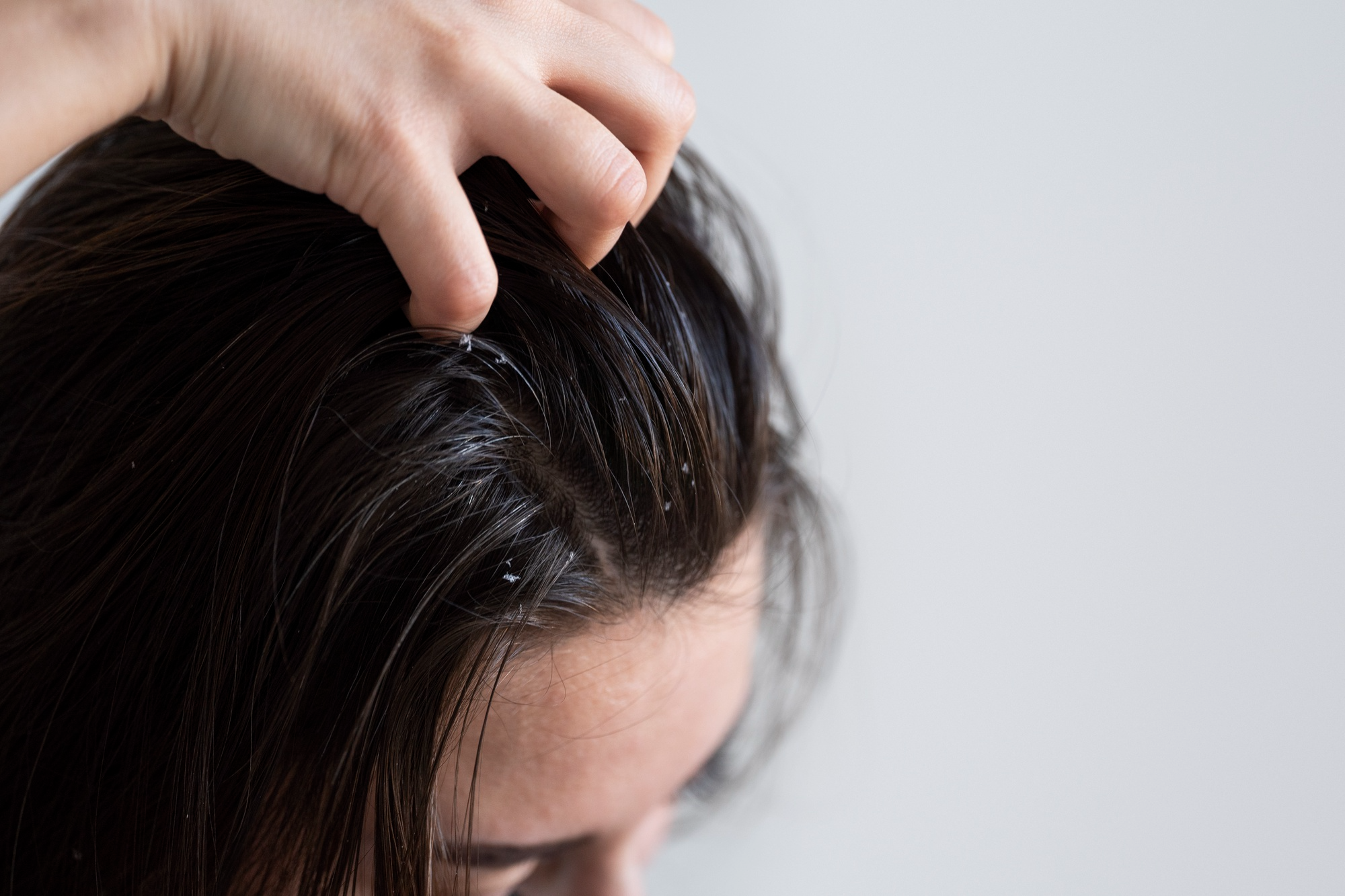
Summary: When monsoon humidity meets product buildup, your scalp can feel oily, flaky, and uncomfortable. This guide breaks down what a scalp scrub actually does, how scalp-focused cleansing can help wash away excess oil and dead skin, and when a dandruff shampoo is the better move. The key takeaway: consistent, targeted cleansing matters more than any single product trend.
|
In This Article: |
That greasy, slightly itchy feeling at the roots when the rains roll in? You are definitely not imagining it. Monsoon humidity, sweat, and layers of leftover styling products can leave your scalp feeling heavy and congested, and that is when most people start searching for a scalp scrub to sort things out.
But before you reach for the first exfoliating product you find, it helps to understand what is actually happening up there, what your scalp needs, and whether scalp exfoliation alone is the answer.
Why Does Your Scalp Feel Worse During Monsoon?
Your scalp feels worse during monsoon because humidity increases oil production, and that extra sebum mixes with dead skin cells and leftover product to create a layer of buildup. When you factor in sweat and irregular washing schedules (rainy days often mean skipped washes), things can escalate quickly.
Here is what that buildup cycle typically looks like:
| What You Are Noticing | What Is Likely Happening | What Can Help |
|---|---|---|
| Greasy roots by midday | Excess oil sitting on the scalp surface | Scalp-focused shampooing to clear oil |
| Visible white flakes | Dead skin or product residue shedding | Regular cleansing; dandruff shampoo if flakes persist |
| Itchiness or tightness | Buildup irritating the scalp | Gentle, consistent cleansing routine |
| Flat, limp hair at the crown | Oil and residue weighing strands down | Washing with focus on the scalp, not the lengths |
Not every flake means dandruff, and not every oily patch means you need something aggressive. Sometimes your scalp just needs a proper cleansing routine focused on washing away built-up products, dead skin, and excess oil. The monsoon just speeds up how quickly that buildup accumulates.
Did You Know? Washing your hair less frequently can lead to a buildup of dead skin and oil residue on the scalp, which may eventually cause discomfort and itchiness, regardless of the season.
How Do You Detox Your Scalp After Product Buildup?
The most effective way to detox your scalp after product buildup is to focus your shampoo on the scalp itself, not on the lengths of your hair. That is the core principle, and it works whether you use a dedicated scalp cleanser or a well-formulated shampoo designed for the job.
When people talk about a scalp "detox", what they really mean is a thorough cleanse. There are no toxins to remove; the goal is to wash away dead skin and excess oil that have been sitting on the scalp surface, mixed with whatever products you have layered on since your last wash.
Here is a simple approach:
- Wet your hair thoroughly. Warm water helps loosen surface buildup.
- Apply shampoo directly to the scalp. Use your fingertips (not nails) to work it in with gentle circular motions.
- Let the lather sit for a minute. Give the cleansing agents time to do their work.
- Rinse completely. Leftover shampoo residue is just more buildup.
- Repeat if needed. One wash may not cut it after a few days of product layering.
When oil buildup is a recurring concern, especially during monsoon, a shampoo that targets it directly can make a noticeable difference. Our Rosemary & Yuzu Lemon Anti Dandruff Shampoo is formulated with rosemary, yuzu lemon, and piroctone olamine, and it clears oil buildup while helping protect your scalp's natural barrier. It is sulphate-free, so the cleanse feels thorough without stripping.
Tip: Always apply shampoo to the scalp rather than squeezing it onto your hair lengths. The lather that runs down as you rinse is enough to gently cleanse the rest of your strands without drying them out.
Is a Scalp Scrub the Same as a Dandruff Shampoo?
No, a scalp scrub and a dandruff shampoo serve different purposes, even though they both address scalp concerns. Understanding the difference helps you pick the right tool for what your scalp is actually dealing with.
A scalp scrub for dandruff is a phrase that comes up often, but it is worth separating the two ideas. A scalp scrub typically uses physical or chemical exfoliants to lift dead skin and product residue from the scalp surface. A dandruff shampoo, on the other hand, contains active ingredients that target the flaking and itching associated with dandruff itself.
| Factor | Scalp Scrub | Dandruff Shampoo |
|---|---|---|
| Primary purpose | Removes surface buildup (dead skin, product residue, excess oil) | Targets dandruff flakes and scalp itching |
| How it works | Physical or chemical exfoliation | Active ingredients that address flaking at the source |
| When to use | Occasional deep cleanse, especially after heavy product use | Regularly, as directed, when dandruff flakes and itching are present |
| Good for monsoon buildup? | Can help with surface-level congestion | Better suited if flakes persist despite regular washing |
Dandruff is a common scalp condition where small pieces of dry skin flake off, sometimes with itching. It can develop for multiple reasons, including hair care habits, oily skin, or certain medical conditions. Mild dandruff can usually be managed at home by washing regularly with a dandruff shampoo and following the directions on the bottle.
What Should You Use After Cleansing Your Scalp?
After cleansing your scalp, a conditioning step helps restore moisture, ease tangles, and support the scalp's barrier so it does not overcorrect with more oil production.
Skipping conditioner after a thorough cleanse might feel like the right call when your scalp is oily, but your hair lengths still need moisture, especially during monsoon when humidity can make strands feel rough and frizzy. The key is choosing a conditioner that works on the scalp and hair together without adding heaviness.
For scalps that have just been through a clarifying or anti-dandruff wash, a conditioning treatment that nourishes without undoing the cleanse is ideal. The Rosemary & Yuzu Lemon Anti Dandruff Scalp Conditioning Treatment is designed to be used after shampooing: spread it through your scalp and wet locks, massage gently, leave for three to five minutes, and rinse. It nourishes hair and helps improve the scalp's natural barrier, which is exactly what your scalp needs after buildup removal.
What About Frizz After Cleansing?
Monsoon humidity can leave your lengths frizzy even after a great scalp cleanse. If frizz is your secondary concern, a sulphate-free shampoo with argan oil can help smooth things out along the hair shaft. Our Argan Oil & Lavender Shampoo, for instance, reduces frizz for smoother, softer hair, and its calming lavender scent is a nice sensorial bonus on a grey, rainy day.
Your Monsoon Scalp Routine, Sorted
A clear, comfortable scalp during the monsoon is not about finding one hero product, like a scalp scrub for dandruff. It is about understanding what your scalp is dealing with (buildup, flakes, excess oil, or a combination) and responding with the right cleansing approach, applied consistently.
Your scalp does not need a complicated overhaul. It needs attention, the right products, and a routine you can actually stick with. If you are ready to match your scalp concern to the right care step, explore the Love Beauty & Planet haircare range and find what fits your monsoon routine.
Frequently Asked Questions
Q:1 How often should you use a scalp scrub during monsoon?
A. Once a week is a reasonable starting point for most hair types. Adjust based on how quickly buildup returns, and avoid daily use to prevent irritation.
Q:2 Can scalp exfoliation cause hair breakage?
A. Overly aggressive scrubbing or using a scrub too frequently can stress the scalp and hair. Gentle pressure with fingertips, not nails, keeps things safe.
Q:3 Is it normal for your scalp to itch more during the rainy season?
A. Yes, increased humidity, sweat, and infrequent washing can all contribute to scalp itchiness. If itching persists despite regular cleansing, consult a dermatologist.
Q:4 Should you oil your scalp before using a scalp cleanser?
A. Pre-wash oiling is a personal preference. If you do oil, use a small amount and ensure your shampoo can cleanse it fully; otherwise, you are adding to the buildup.
Q:5 Can hard water affect how well a scalp scrub works?
A. Hard water can leave mineral deposits on the scalp, which may reduce the effectiveness of any cleansing step. A final rinse with filtered water can help.