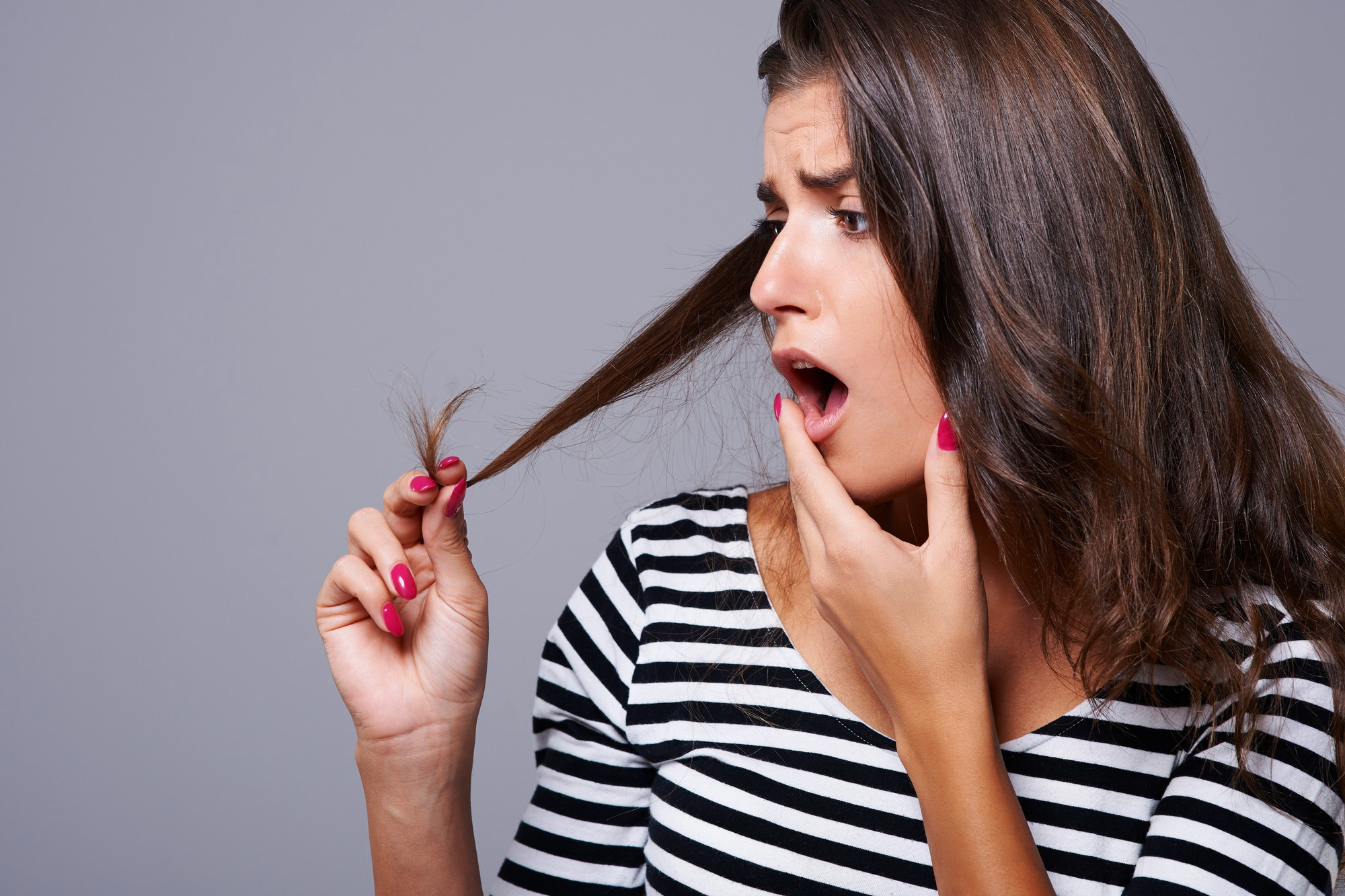
Summary: Monsoon humidity can make rough ends of hair feel worse, amplifying frizz, dryness, and split ends. This guide covers why that happens, what deep conditioning can (and cannot) do for splits, and simple daily habits to reduce breakage. The key takeaway: you cannot permanently reverse a split end, but gentler handling, consistent conditioning, and the right hair mask can make a real difference to how your ends look and feel.
|
In This Article: Why Do Rough Ends and Split Ends Feel Worse During the Monsoon? |
You know the feeling. You run your fingers through your lengths, and your ends catch, snag, and feel like straw. If your rough ends of hair seem to have a personal grudge against the monsoon, you are not imagining things. Humidity, rain exposure, and the constant damp-dry cycle all conspire to leave brittle hair splitting at the tips. It is frustrating, especially when you feel like you are doing everything right.
The good news? While split ends cannot be glued back together, there is plenty you can do to reduce breakage, smooth things out, and protect your lengths from further damage. Think of this as your practical dry hair remedy guide for the rainy season: less panic, more action.
Why Do Rough Ends and Split Ends Feel Worse During the Monsoon?
Monsoon humidity causes the outer layer of each hair strand to swell and lift, which is exactly why your ends feel rougher and frizzier when the rains arrive. Your hair is not suddenly weaker; it is just reacting to an environment that constantly pushes moisture in and pulls it out again.
Styling habits can add to the problem. Frequent heat styling, tight updos, and rough brushing can all cause hair to look brittle, frizzy, and lacklustre over time. Pair those habits with monsoon dampness, and your ends bear the brunt.
Here is what is typically happening at the ends of your hair during the rains:
- The oldest, most weathered part of your hair sits at the tips, making ends naturally more vulnerable.
- High humidity causes repeated swelling and contraction of each strand, roughening the surface.
- Wet hair tangles more easily, and detangling without care can cause breakage right at the tips.
So if your ends feel noticeably worse between June and September, it is not your hair failing you. It is your hair responding to a challenging environment.
Did You Know? Brushing your hair 100 strokes a day is an old beauty myth that can actually cause split ends, not prevent them. Gentle, minimal brushing is far kinder to your lengths.
Can Split Ends Really Be Repaired?
Once a strand splits, no product can permanently fuse it back together. The only way to truly remove a split end is to trim it. That said, the right care routine can help reduce new splits from forming and make existing rough ends look and feel noticeably smoother.
Understanding how to repair damaged hair starts with adjusting your expectations. "Repair" in the cosmetic sense means reducing visible roughness, supporting the strand's surface, and preventing further splitting. It does not mean reversing a split fibre.
Conditioning is one of the simplest tools here. According to dermatology guidance, conditioner coats each strand, which helps reduce breakage and split ends. A leave-in conditioner or detangler used after washing can further help with frizz and breakage at the tips.
How to Deep Condition Hair to Reduce Split Ends
Deep conditioning works by delivering concentrated moisture and nourishment to the lengths and ends, where your hair needs it most. Applied correctly and consistently, a good hair mask can help reduce breakage, soften rough ends, and keep monsoon frizz in check.
Here is a simple deep-conditioning routine that works:
- Shampoo first. Clean hair absorbs conditioning ingredients more effectively.
- Apply the mask from mid-length to ends. Avoid the scalp; your ends are where the support is needed.
- Leave it on for the directed time. Rushing this step means the ingredients do not get the chance to do their job.
- Rinse thoroughly. Leftover residue can weigh hair down, especially in humid weather.
Which Masks Fit Your Monsoon Concern
Not all hair masks are designed to solve the same problem. Choosing one that matches your biggest monsoon concern—whether it's frizz, dryness, or damage—can make your routine more effective.
-
For frizz: Choose a mask enriched with smoothing plant oils. The Love Beauty & Planet Argan Oil & Lavender Hair Mask, infused with organic Moroccan argan oil and French lavender, reduces frizz for smoother, softer hair in just 2 minutes. For a quick look at what salon-smooth results feel like at home, see this argan oil mask in action.
-
For dry, dehydrated hair: Look for deeply hydrating ingredients that help replenish moisture. The Love Beauty & Planet Jojoba Oil, Pentavitin & Hibiscus Hair Mask combines nourishing jojoba oil with Pentavitin® and hibiscus to deliver long-lasting hydration, making dry, rough strands feel softer, healthier, and easier to manage.
-
For damaged hair: If your hair has been weakened by heat styling, colouring, or environmental stress, opt for a strengthening formula. The Love Beauty & Planet Olive Oil & Peptide Hair Mask, enriched with olive oil and a peptide complex, helps strengthen hair fibres while improving softness and resilience.
By matching your hair mask to your primary concern, you can give your hair targeted care that supports healthier, smoother strands throughout the monsoon.
What Habits Help Reduce Roughness and Breakage?
Gentle daily habits do as much for your rough ends of hair as any product. Small changes in how you handle brittle hair can significantly reduce roughness and breakage over time.
- Detangle gently with a wide-tooth comb on damp hair.
- Pat dry instead of rubbing using a microfibre towel or cotton T-shirt.
- Limit heat styling and use a low or medium heat setting.
- Air-dry when possible to reduce unnecessary heat exposure.
- Apply a leave-in conditioner or detangler after washing to improve slip and minimise breakage.
- Avoid over-brushing and work through knots gently.
- Use soft scrunchies instead of tight elastics to reduce tension on the hair.
Tip: On rainy days, loosely braiding your hair before heading out can help reduce tangles, friction, and damage to the ends.
Your Next Step Towards Smoother, Softer Ends
Rough, split-prone ends during the monsoon are not a sign that your hair is beyond help. They are a signal to slow down, handle your strands more gently, and give your lengths the conditioning support they need.
A little extra care goes a long way, especially for your ends. Build a routine that nourishes, protects, and leaves your hair feeling softer with every wash. Explore the Love Beauty & Planet haircare range and find the products that suit your hair's unique needs.
Frequently Asked Questions
Q:1 How often should a hair mask be used during the monsoon?
A. Once a week or once every two weeks is a good starting point. Adjust based on how dry or rough your ends feel between washes.
Q:2 Can rough ends of hair be caused by hard water?
A. Yes. Mineral build-up from hard water can leave strands feeling coarse and dry, particularly at the ends where hair is oldest.
Q:3 Does trimming hair every few weeks prevent split ends entirely?
A. Regular trims remove existing splits and keep ends neater, but they do not prevent new splits from forming without good daily care habits.
Q:4 Is it better to air-dry or blow-dry hair during the monsoon?
A. Air-drying is gentler on fragile ends. If you need a blow dryer, use a low heat setting and keep the nozzle moving.
Q:5 Can oiling hair before washing help with rough, dry ends?
A. A light pre-wash oil application on lengths and ends can add a protective layer, helping reduce moisture loss during shampooing.