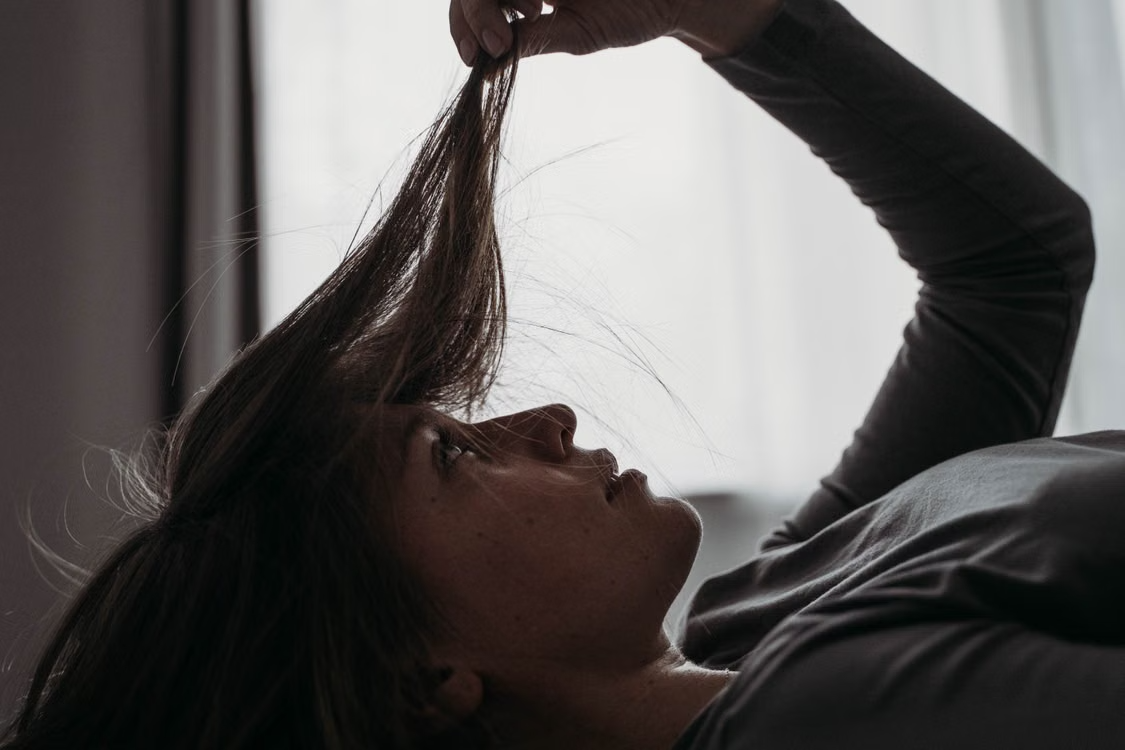
Summary: Monsoon humidity and excess moisture can make hair shedding feel worse, but a targeted hair fall control routine can help. This guide covers why the rains amplify the problem, the key causes of hair fall to watch for, a step-by-step care routine (oil, cleanse, condition, serum), and the daily habits that reduce unnecessary breakage. Consistency and gentleness are the real game-changers.
|
In This Article: |
Finding more hair on your pillow, in the shower drain, or tangled in your comb the moment the rains arrive? You are not imagining it. Monsoon humidity, excess moisture, and weakened strands can make shedding feel noticeably worse, and searching for a reliable hair fall control plan is completely understandable.
The good news is that understanding the causes of hair fall and adjusting your routine accordingly can make a real difference to how your hair looks and feels through the season. Let's walk you through it.
Why Does Hair Fall Feel Worse During Monsoon?
Monsoon makes hair fall feel worse because high humidity weakens strands, encourages scalp issues, and creates conditions where breakage happens more easily. That said, the season itself is rarely the sole cause.
Your hair absorbs moisture from the air during the rains, which can swell the outer layer of each strand and leave it more fragile. Add a damp scalp environment where fungal build-up and oiliness thrive, and you have a recipe for hair that looks limp, feels rough, and seems to shed more than usual.
But here is the important nuance. There are many causes of hair fall, and the key to managing it effectively is understanding what is actually driving it. The monsoon may amplify what is already happening, but it is rarely the whole story.
Did You Know? There is a difference between hair shedding and hair loss. Shedding 50 to 100 strands a day is considered normal. If you are consistently losing more or noticing thinning patches, it is worth speaking with a dermatologist to identify the underlying cause.
What Are the Common Causes of Hair Fall?
Hair fall can stem from a wide range of factors, from everyday grooming habits to deeper health-related causes, and monsoon conditions can make several of them more noticeable.
It helps to understand the three broad categories your hair fall might fit into:
| Type | What It Looks Like | Common Triggers |
|---|---|---|
| Shedding | More strands than usual on your pillow, brush, or in the drain | Stress, illness, hormonal shifts, post-pregnancy changes |
| Breakage | Short, snapped strands and split ends rather than full-length hair coming out at the root | Rough handling, heat styling, harsh products, tight hairstyles |
| Hair loss | Thinning patches, widening parting, or noticeable reduction in volume over time | Hereditary factors, medical conditions, nutritional gaps, scalp infections |
How Can You Build a Hair Care Routine for Hair Fall Control?
A good hair fall control routine in monsoon centres on gentle cleansing, targeted nourishment, and minimal mechanical stress, layered in an order that lets each step do its job properly.
Here is a simple framework you can follow:
| Step | What to Do | When |
|---|---|---|
| Pre-shampoo oil | Massage oil into scalp and lengths | 30 minutes before washing, or overnight |
| Cleanse | Shampoo gently, focusing on the scalp | Every wash day |
| Condition | Apply conditioner to mid-lengths and ends | After every shampoo |
| Scalp serum | Massage a few drops into the scalp | After washing, ideally before bedtime |
| Hair mask | Apply to lengths for deeper conditioning | Once a week |
Step 1: Pre-Shampoo Oiling
Oiling before you shampoo creates a protective layer on your strands, which reduces the friction and swelling that happen when hair gets wet. The Love Beauty & Planet Onion, Black Seed Oil & Patchouli Hair Oil is formulated with organic onion and black seed oil for exactly this purpose. Pump a generous amount into your palms, massage it into your scalp and lengths, and leave it on for 30 minutes (or overnight if you prefer) before shampooing.
Step 2: Cleanse and Condition
A sulphate-free shampoo is a smart pick during monsoon because it cleans without stripping your scalp of the moisture it actually needs. Pair it with a conditioner that helps smooth and seal the outer layer of each strand.
If your concern is hair fall, the Onion, Black Seed & Patchouli Shampoo + Conditioner Combo brings both steps together: the shampoo strengthens hair and nourishes the scalp, while the conditioner deeply conditions.
Step 3: Scalp Serum
Once your hair is clean and conditioned, a targeted scalp serum can offer more focused support. For persistent shedding that needs a little extra attention, our Onion & Rosemary Anti Hairfall Scalp Serum is lightweight, non-sticky, and designed to be massaged in 5 to 7 drops at a time, section by section.
Rosemary also helps keep dandruff and an itchy scalp at bay, which is especially useful when monsoon humidity makes your scalp environment less comfortable. For best results, apply before bedtime and leave it on overnight. You can see what consistent use looks like in practice over the course of a month.
Step 4: Hair Mask
Think of a hair mask as your deeper-conditioning step. Use it once a week after shampooing, concentrating on the mid-lengths and ends. This can be particularly useful when monsoon weather leaves hair feeling dry, rough or prone to breakage. Let the mask sit for the recommended time before rinsing thoroughly.
Which Daily Habits Help Prevent Extra Breakage?
- Skip tight hairstyles: Hairstyles that pull on the hair, such as tight ponytails, buns, braids, and extensions, can cause hair loss over time. Loose braids or open hair are kinder options, especially when your hair is damp.
- Detangle gently: Use a wide-tooth comb on damp (not soaking wet) hair, starting from the ends and working upward. Forcing a brush through tangled, wet hair is one of the fastest routes to breakage.
- Dry with care: Rubbing your hair vigorously with a towel creates friction that roughens the outer layer of each strand. Squeeze excess water out gently with a soft cotton cloth or an old T-shirt instead.
- Wash regularly, but not obsessively: Monsoon humidity can make your scalp feel oilier faster, tempting you to shampoo daily. Stick to 2 to 3 washes a week unless your scalp genuinely needs more, so you are cleaning without overdoing it.
- Keep your scalp dry: If you get caught in the rain, let your hair dry naturally rather than leaving it damp for hours. A persistently moist scalp encourages fungal build-up and discomfort.
Did You Know? Hair can stretch up to 30% more when wet, which is why it snaps more easily during monsoon. Handling wet or damp hair gently is one of the simplest ways to reduce breakage.
Stepping Into Monsoon With Stronger, Steadier Hair
Knowing how to prevent hair fall is not about finding one perfect product. It is about stacking these gentle, well-chosen steps so they work together, consistently. If your concern is specifically hair fall control and you want a routine built around it, you can explore our anti-hairfall range and find the combination that fits your hair, your habits, and your monsoon.
Frequently Asked Questions
Q:1 Can rainwater itself cause hair fall?
A. Rainwater alone does not directly cause hair fall, but pollutants in it can irritate the scalp. Rinsing your hair after getting caught in the rain helps keep your scalp comfortable.
Q:2 How often should you oil your hair during monsoon?
A. Once or twice a week before shampooing works well for most hair types. Adjust based on how oily your scalp feels in the humidity.
Q:3 Does air-drying hair during monsoon increase breakage?
A. Air-drying is gentler than heat-drying, but leaving hair damp for too long can weaken strands. Squeeze out excess moisture and let it dry in a well-ventilated space.
Q:4 When should you see a dermatologist about hair fall?
A. If you notice sudden thinning, bald patches, or shedding that continues beyond two to three months despite routine changes, a dermatologist can help identify the cause.
Q:5 Are sulphate-free shampoos better for hair fall control than regular shampoos?
A. Sulphate-free shampoos cleanse more gently, which can reduce dryness and breakage. They are a good fit if your scalp is sensitive or your hair feels stripped after washing.